
A Refractory Brick Built to Last
Tired of planning your production schedule around your kiln bricks failing? We build ones that don't.
Toll Firing
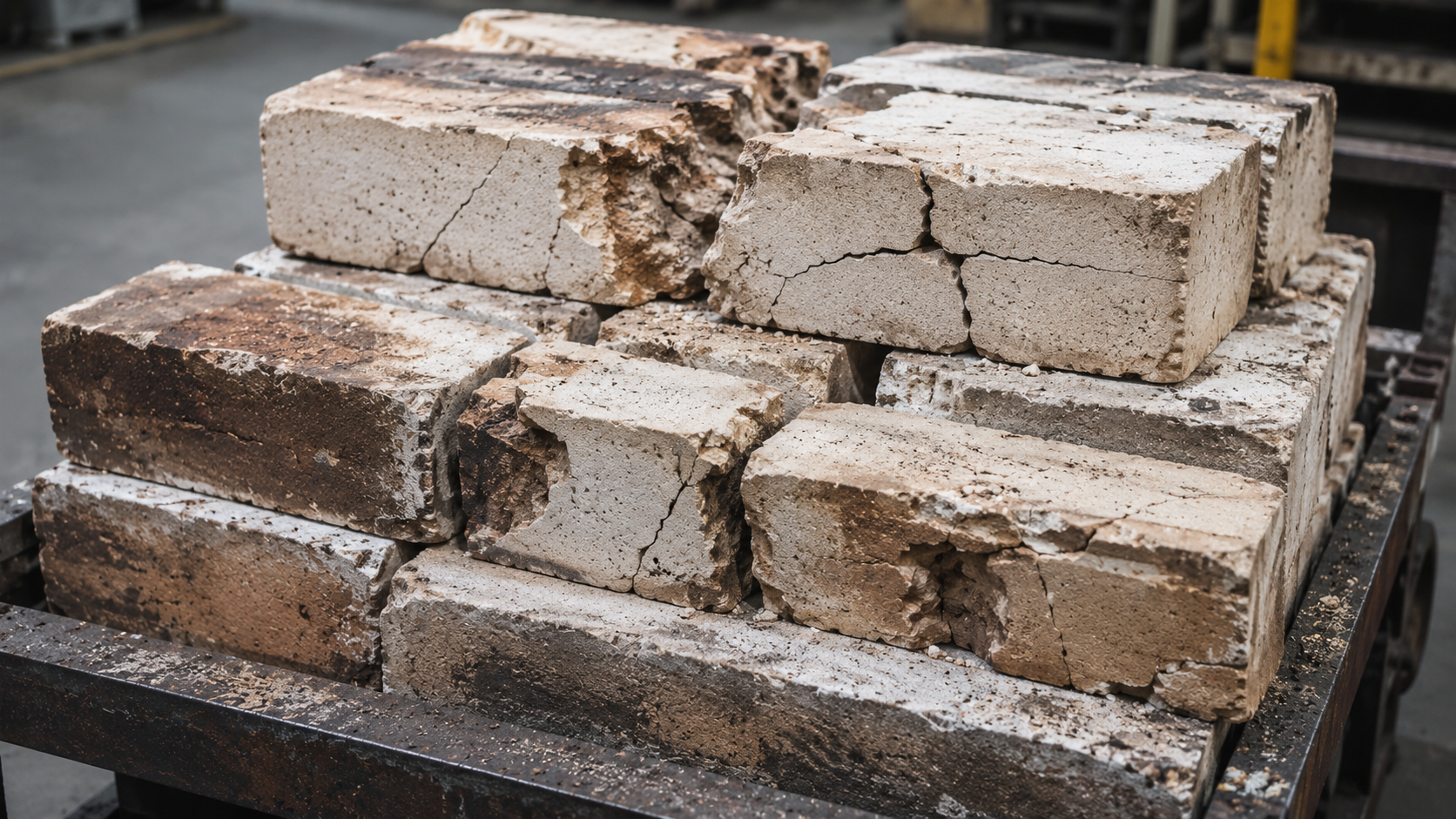
How Many Firings Before Your Kiln Bricks Crack?
Production engineers and plant managers running high-temperature kilns face the same frustration: kiln refractory bricks that don't survive repeated thermal cycles.
When bricks fail mid-cycle, it's never just a parts problem. It's a production delay, a yield risk, and an emergency reorder that blows up your maintenance budget.
You may not even realize how much margin you're quietly losing every quarter.
The problem is simple: you shouldn't have to plan around your kiln furniture failing.
The Right Brick Supplier Changes Everything
We've been engineering kiln furniture for demanding high-temperature environments since 1967.
We work with production engineers and plant managers who need more than a catalog: teams running difficult firing conditions who need refractory brick built around their specific temperatures, atmospheres, and cycle times.
We offer:
-
Custom-engineered solutions built around your specs
-
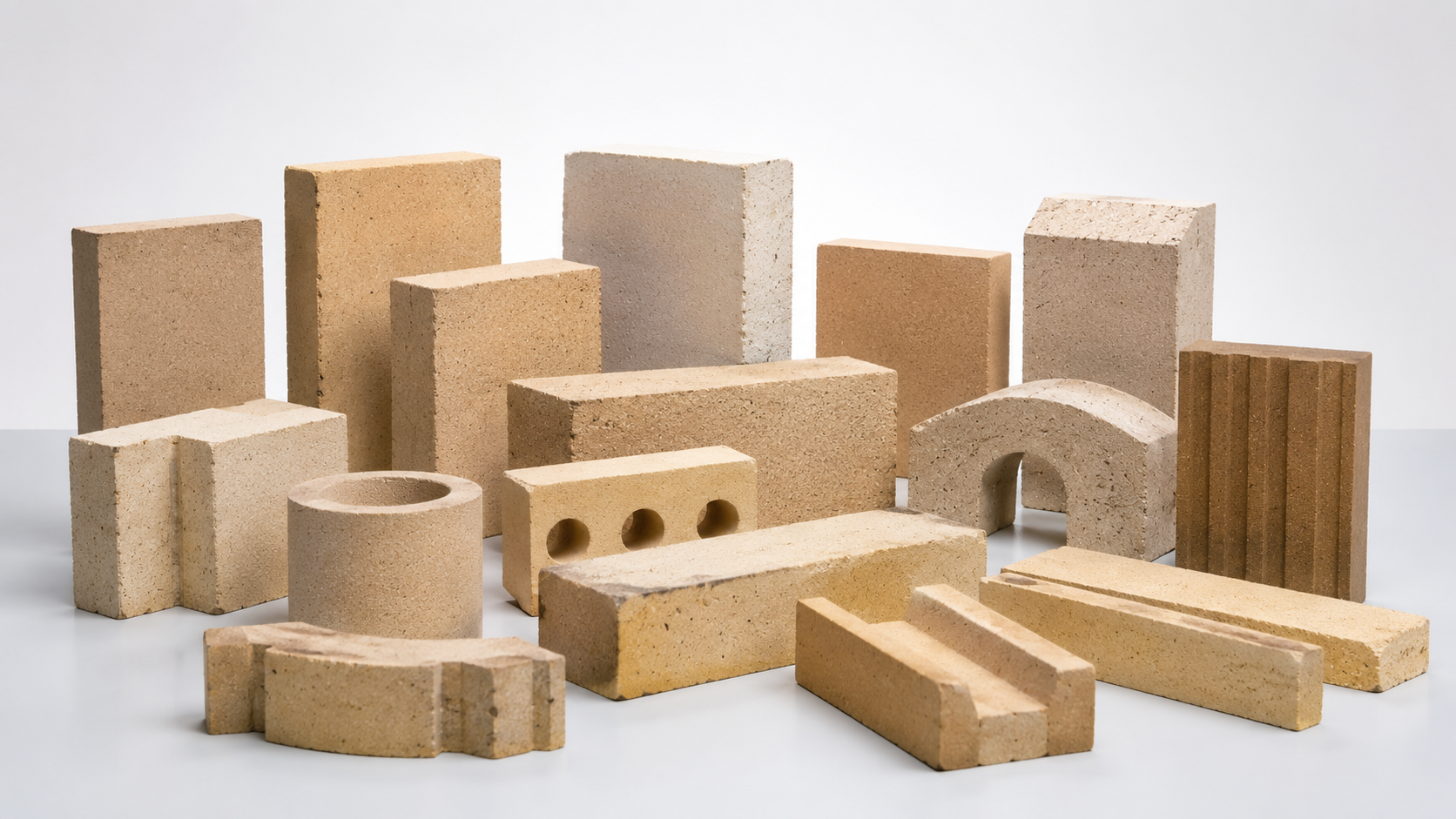
Insulating refractory brick and high alumina refractory bricks selected for your application
-
A technical team that reviews your firing conditions, not just your purchase order
-
Predictable replacement cycles instead of emergency reorders
The big distributors sell "good enough." We help you move past it.
Longer life. Higher yields. Predictable costs.
How it works
-
Tell Us About Your Fire Conditions
Tell us your temperatures, atmospheres, cycle times, and where your current bricks are failing you.
-
We Design A Solution
Our technical team designs the right solution for your application, optimized for cycle life and total cost of ownership, not just upfront price.
-
Prove the ROI
Run our bricks against your current solution. Measure the difference in cycle life, defect rates, and maintenance costs. The numbers make the case.
The Difference is Clear
Without Applied Ceramics
-
Kiln bricks that crack after a handful of firings and throw off your production schedule
-
Emergency reorders that blow up your maintenance budget
-
Throughput bottlenecks when bricks fail mid-cycle
-
Product defects from sticking, contamination, or uneven heating
-
Getting stuck with "good enough" solutions that quietly drain margin for years
With Applied Ceramics
-
Refractory brick that lasts longer through repeated thermal cycles
-
More product through the same kiln space
-
Fewer defects from sticking or contamination
-
Predictable replacement cycles instead of emergency orders
-
A technical partner who understands your process (not just your purchase order)
What Manufacturers Are Saying
"Applied Ceramics helped us move from prototype to production without investing in new kilns. That flexibility made a huge difference."
R&D Director
Advanced Materials
"When demand spiked, their firing capacity allowed us to keep shipping without disrupting our internal production."
Operations Manager
Technical Ceramics
"The biggest benefit was speed. We were able to validate our material and get to market months faster than expected."
Materials Engineer
Semiconductor Supplier
Longer Life. Higher Throughput. Predictable Costs.
Your bricks should help your production run smoothly, not hold it back.
Applied Ceramics designs high-temperature components that last longer, protect yields, and keep your kilns operating at full potential.